Best Mattresses for Back Pain and Better Sleep
Waking up sore, stiff, or tired can make every day feel harder than it should. Finding the best mattress for back pain is important because the right support can improve sleep, reduce pressure on your spine, and help you wake up feeling refreshed instead of uncomfortable.
To help you avoid wasting time and money, we carefully researched the best mattress for back pain by comparing popular models, studying thousands of real customer reviews, checking ratings, and looking at purchase trends. After all that, we selected the top recommended options that deliver comfort, support, and real value.
How We Selected These Products
We used an advanced AI module to dig deeply into reviews from both everyday users and sleep experts across multiple trusted sources. It analyzed comfort, support, durability, ratings, complaints, and overall satisfaction to identify the products that consistently performed best.
Overviews
Fathom Memory Foam Mattress


The Fathom Memory Foam Mattress uses a gel-infused memory foam top layer over firmer support foam. Its overall feel is on the firmer side, which can help keep the spine aligned and reduce lower back strain for back and stomach sleepers. The mattress provides light contouring and moderate pressure relief, but side sleepers or anyone wanting a softer feel may find it less comfortable around the shoulders and hips.
Pros
- Firm support helps keep the spine in a more neutral position, which may reduce lower back discomfort.
- Gel memory foam adds light cushioning while still preventing deep sinking.
- Motion isolation helps reduce disturbances from a partner moving during the night.
- Removable fiberglass-free cover is easier to clean and maintain.
- CertiPUR-US certified foam offers a safer and more reliable material choice.
Cons
- May feel too firm for side sleepers who need deeper pressure relief at the shoulders and hips.
- Limited contouring means it does not provide the deep body-cradling feel some back pain sufferers prefer.
- Edge support is weaker, so the sides compress more when sitting or sleeping near the edge.
- Foam construction may still retain some heat despite the cooling gel layer.
- Long-term durability may be average, with possible body impressions over time.
Verdict
This is a solid option for people with back pain who prefer a firmer mattress and mainly sleep on their back or stomach. It is a stronger-than-average recommendation for spinal support, but less ideal for side sleepers or those who want more cushioning.
LoadEase Hybrid Memory Foam Mattress

The LoadEase Hybrid Memory Foam Mattress combines memory foam, layered foam, and individually wrapped pocket springs in a medium-firm design. It is intended to provide more even weight distribution and targeted support, which can help keep the spine aligned and reduce pressure on the lower back. The hybrid construction also adds better motion isolation and airflow than a standard all-foam mattress, making it a reasonable option for people with back pain who want both support and cushioning.
Pros
- Medium-firm feel offers a balance of support and cushioning that can work well for many people with back pain.
- Independent pocket springs provide more targeted support and help keep the spine in a neutral position.
- Memory foam and multi-layer foam relieve pressure around the hips and shoulders without feeling overly soft.
- Strong motion isolation makes it a better choice for couples who do not want movement transferring across the bed.
- Breathable top layer and airflow through the spring system may help it sleep cooler than many all-foam mattresses.
Cons
- May not feel firm enough for sleepers who need very strong lower back support.
- Softer edge support can make the sides feel less stable when sitting or sleeping near the edge.
- The foam comfort layers may still retain some warmth during the night despite the breathable cover.
- Requires time to fully expand and reach its intended feel after unpacking.
- People who prefer a very soft or very firm mattress may find the medium feel too neutral.
Verdict
This is a good overall choice for back pain because it combines supportive pocket coils with pressure-relieving foam. It is a stronger-than-average recommendation for people who want a medium-firm hybrid mattress, especially back and combination sleepers.
BedStory Firm Hybrid Mattress

The BedStory Firm Hybrid Mattress combines gel memory foam with individually wrapped pocket springs to create a firmer sleep surface with targeted support. Its orthopedic design is intended to keep the spine aligned and reduce pressure on the back and hips, making it more suitable for back pain than softer mattresses. The hybrid construction also improves airflow and motion isolation, although the firmer feel may not provide enough cushioning for some side sleepers.
Pros
- Firm hybrid design offers stronger spinal support, which can help reduce lower back strain.
- Individually wrapped pocket springs provide more even body support and limit motion transfer.
- Gel memory foam adds light pressure relief without allowing the body to sink too deeply.
- Breathable construction and airflow through the spring layer may help it sleep cooler than many all-foam mattresses.
- Fiberglass-free, CertiPUR-US certified materials make it a safer choice for long-term use.
Cons
- The firm feel may be too stiff for side sleepers who need deeper cushioning around the shoulders and hips.
- Pressure relief appears more limited than higher-end hybrid mattresses, especially for people with chronic pain.
- Edge support may soften over time, making the sides feel less stable.
- Some users report that the comfort layers feel thinner and less supportive after extended use.
- Long-term durability may be average, with possible sagging or body impressions after a few years.
Verdict
This is a decent choice for people who want a firmer, budget-friendly mattress focused on back support. It is an average-to-good recommendation for back sleepers and stomach sleepers, but less convincing for side sleepers or anyone needing stronger pressure relief.
Nectar Memory Foam Mattress
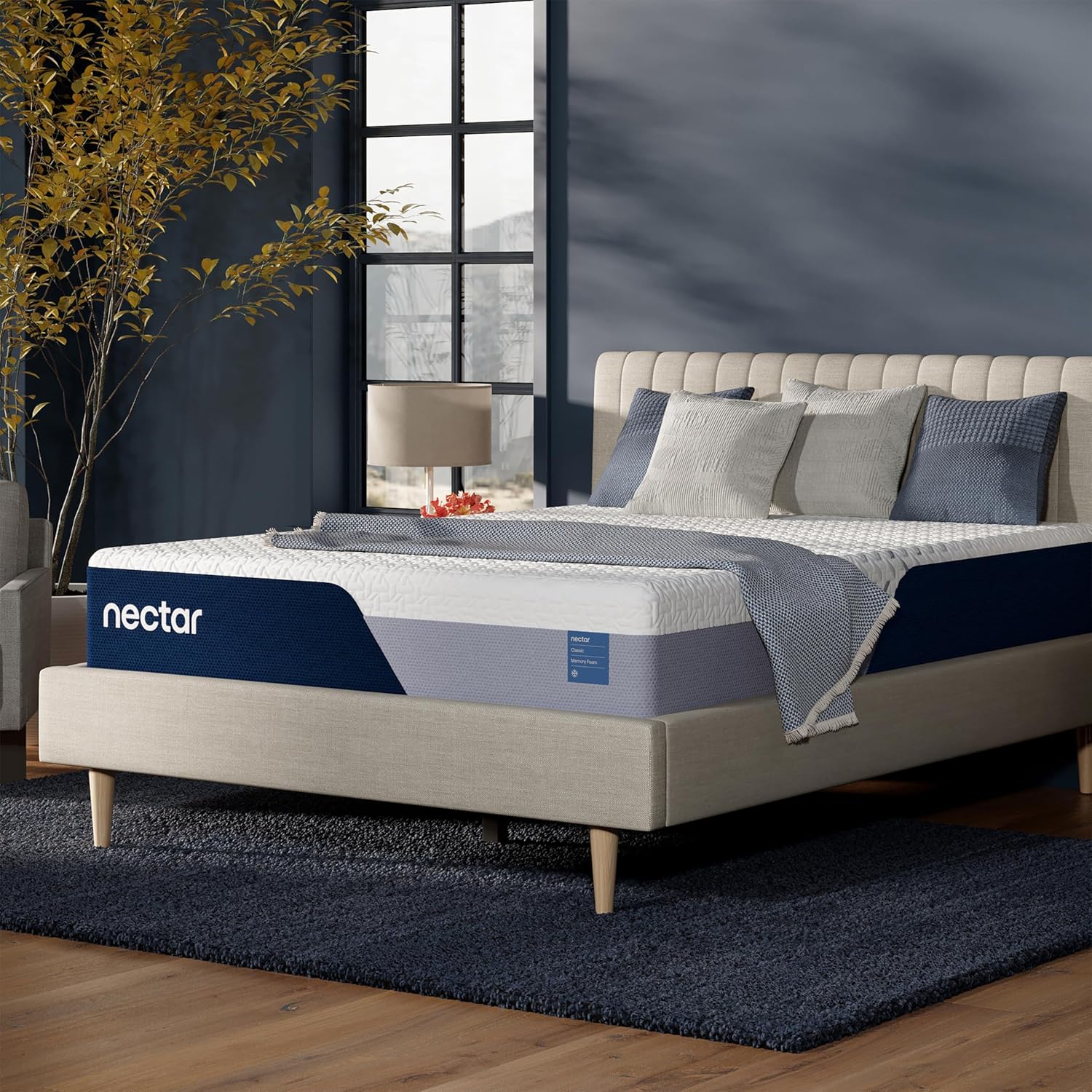
The Nectar Memory Foam Mattress uses multiple layers of memory foam with a medium-firm feel designed to support spinal alignment and reduce pressure on the back. Its contouring foam can help relieve tension around the lower back, hips, and shoulders while still providing enough support for most back and combination sleepers. The mattress is more supportive than many soft memory foam models, although some people who prefer a very firm surface may want more resistance.
Pros
- Medium-firm design offers a good balance between pressure relief and spinal support for back pain.
- Memory foam contours around the body to reduce pressure on the lower back, hips, and shoulders.
- Seven-zone support layer helps keep the spine in a more neutral position during sleep.
- Cooling cover and breathable foam layers may help reduce heat buildup compared with older memory foam mattresses.
- Excellent motion isolation makes it a strong option for couples.
Cons
- May feel too soft for people who need very firm lower back support.
- Some side sleepers and heavier users may notice deeper sinking over time.
- Edge support is weaker than many hybrid mattresses, so the sides can feel less stable.
- The memory foam feel may not appeal to sleepers who prefer a more responsive surface.
- Some users report that long-term durability can be average, especially if the mattress is not placed on a supportive base.
Verdict
This is a strong recommendation for people with back pain who want a medium-firm memory foam mattress with good pressure relief and spinal support. It works especially well for back and combination sleepers, though those who want a firmer feel may prefer a hybrid alternative.
MLILY Memory Foam Mattress

The MLILY Memory Foam Mattress uses layered memory foam with a medium-firm feel intended to provide contouring support and better spinal alignment. Its foam design distributes body weight more evenly and reduces pressure around the lower back, hips, and shoulders, making it a suitable option for people with back pain. The mattress also includes cooling and breathable materials, although the all-foam construction may still feel softer than some people prefer.
Pros
- Medium-firm support helps keep the spine aligned without feeling overly hard.
- Memory foam contours around pressure points, which may reduce discomfort in the lower back and hips.
- Cooling foam and breathable cover help limit heat buildup compared with traditional memory foam mattresses.
- Good motion isolation makes it a practical choice for couples or light sleepers.
- Removable cover and certified foam materials improve convenience and long-term safety.
Cons
- May feel too soft for sleepers who need very firm support for severe back pain.
- Edge support is weaker than on hybrid mattresses, so the sides may compress more.
- The contouring feel can make movement slightly harder for people who dislike sinking into the mattress.
- Some users may notice body impressions developing over time with regular use.
- Cooling performance is improved, but the foam construction may still retain some warmth.
Verdict
This is a good option for people with mild to moderate back pain who want a medium-firm memory foam mattress with pressure relief. It is a stronger recommendation for back and combination sleepers, but those who prefer a firmer or more responsive feel may be better served by a hybrid mattress.
How These Mattresses Help
A mattress designed for back pain works by keeping your spine in a more natural position while you sleep. When a mattress is too soft, your body can sink too deeply and put extra pressure on the lower back. When it is too firm, it may create pressure around the hips and shoulders. The right mattress balances support and cushioning so your back muscles can relax overnight.
Most mattresses for back pain use memory foam, hybrid layers, or supportive pocket springs. These materials spread body weight more evenly and reduce stress on painful areas. They are especially useful for people who wake up stiff, toss and turn at night, or struggle with pressure around the lower back and hips.
- Back sleepers who need stronger lumbar support
- Side sleepers who want pressure relief around the hips and shoulders
- People with mild to moderate lower back pain
- Couples who want less motion transfer during the night
- Anyone replacing an old mattress that no longer provides proper support
What to Look for Before Buying
When shopping for the best mattress for back pain, the most important factor is support. A good mattress should keep your spine aligned from your neck to your lower back. Medium-firm mattresses are often the most popular choice because they offer enough support without feeling too hard. However, the right firmness also depends on your sleeping position and personal preference.
Memory foam mattresses are popular because they contour around the body and reduce pressure points. Hybrid mattresses combine foam with pocket springs, offering both cushioning and stronger support. If you prefer a mattress that feels more responsive and easier to move on, a hybrid model may be a better fit. If you want deeper contouring and pressure relief, memory foam may work better.
Important Features to Consider
- Firmness level that matches your sleeping style and back support needs
- Pressure relief around the lower back, hips, and shoulders
- Strong edge support if you sit or sleep near the side of the bed
- Cooling materials or breathable construction to reduce heat retention
- Motion isolation if you share the bed with a partner
- Certified materials that are safe and durable
You should also think about long-term durability. A mattress that loses support too quickly can make back pain worse. High-density foam, quality pocket springs, and strong customer reviews are good signs that a mattress will stay comfortable for years.
Common Mistakes to Avoid
- Choosing the softest mattress because it feels comfortable at first
- Ignoring your sleeping position when selecting firmness
- Buying based only on price without checking support and durability
- Overlooking cooling features if you sleep hot
- Skipping user reviews that mention sagging or poor back support
- Assuming every mattress labeled orthopedic will actually help back pain
Common Advantages and Drawbacks
Mattresses made for back pain usually offer better spinal support than standard models. Many of them reduce pressure around the lower back, hips, and shoulders, which can lead to more comfortable sleep and less stiffness in the morning. Memory foam models are especially good at contouring to the body, while hybrid mattresses often provide a stronger and more balanced feel.
Another major advantage is improved sleep quality. When your back is supported correctly, you are less likely to wake up during the night because of discomfort. Many of these mattresses also include features like motion isolation, cooling materials, and stronger edge support. These extras can make a big difference if you share a bed or tend to sleep hot.
However, there are also some drawbacks to consider. A mattress that works well for one person may not work for another. Some people with back pain need a firmer surface, while others need more pressure relief. Because of this, it can take time to find the right balance. Memory foam mattresses may also trap more heat than hybrid options, even when they include cooling layers.
Price can be another downside. Mattresses with better support systems and higher-quality materials often cost more. In addition, some mattresses may begin to sag or lose support over time, especially cheaper all-foam models. If that happens, the mattress may stop helping your back and could even make the problem worse.
Is It Worth Buying?
For most people who regularly wake up with soreness or stiffness, buying a supportive mattress is often worth it. A better mattress can improve spinal alignment, reduce pressure on painful areas, and make it easier to sleep through the night. Many people notice that they feel less discomfort in the morning after switching to a mattress that fits their body and sleeping style.
That said, not every mattress marketed for back pain will deliver the same results. The best choice depends on whether you sleep on your back, side, or stomach, and whether you prefer a softer or firmer feel. Taking time to compare features, materials, and real user reviews is important before making a decision.
If your current mattress is old, sagging, or no longer supportive, replacing it can be a smart investment. A well-chosen mattress may not completely solve severe back problems, but it can make a noticeable difference in comfort, sleep quality, and daily life.