Best eco-friendly mattresses for healthier, greener sleep
An eco-friendly mattress is designed with natural, non-toxic, and sustainably sourced materials such as organic cotton, natural latex, or plant-based foams. It’s becoming increasingly popular among people who want a healthier sleeping environment and a reduced environmental footprint. Beyond sustainability, these mattresses often help minimize exposure to harsh chemicals and improve overall sleep comfort, making them a smart choice for anyone looking to upgrade their rest while being kinder to the planet.
After researching the market in depth, comparing well-known brands, analyzing real user feedback, ratings, and purchase trends, we’ve narrowed down the most reliable options for you. The goal is to save you hours of scrolling and confusion by highlighting mattresses that consistently stand out in comfort, durability, and eco-conscious design. Each recommendation is based on genuine performance and user satisfaction.
How we selected these products
To ensure accuracy and trust, we used an advanced AI module to scan and analyze thousands of real customer reviews along with expert opinions from across the web. This helped us identify consistent patterns in comfort, durability, and material quality. Our approach focuses on transparency and real-world experiences, so you can feel confident that each pick is backed by thorough and unbiased research.
Overviews
EGOHOME Kids Memory Foam Mattress
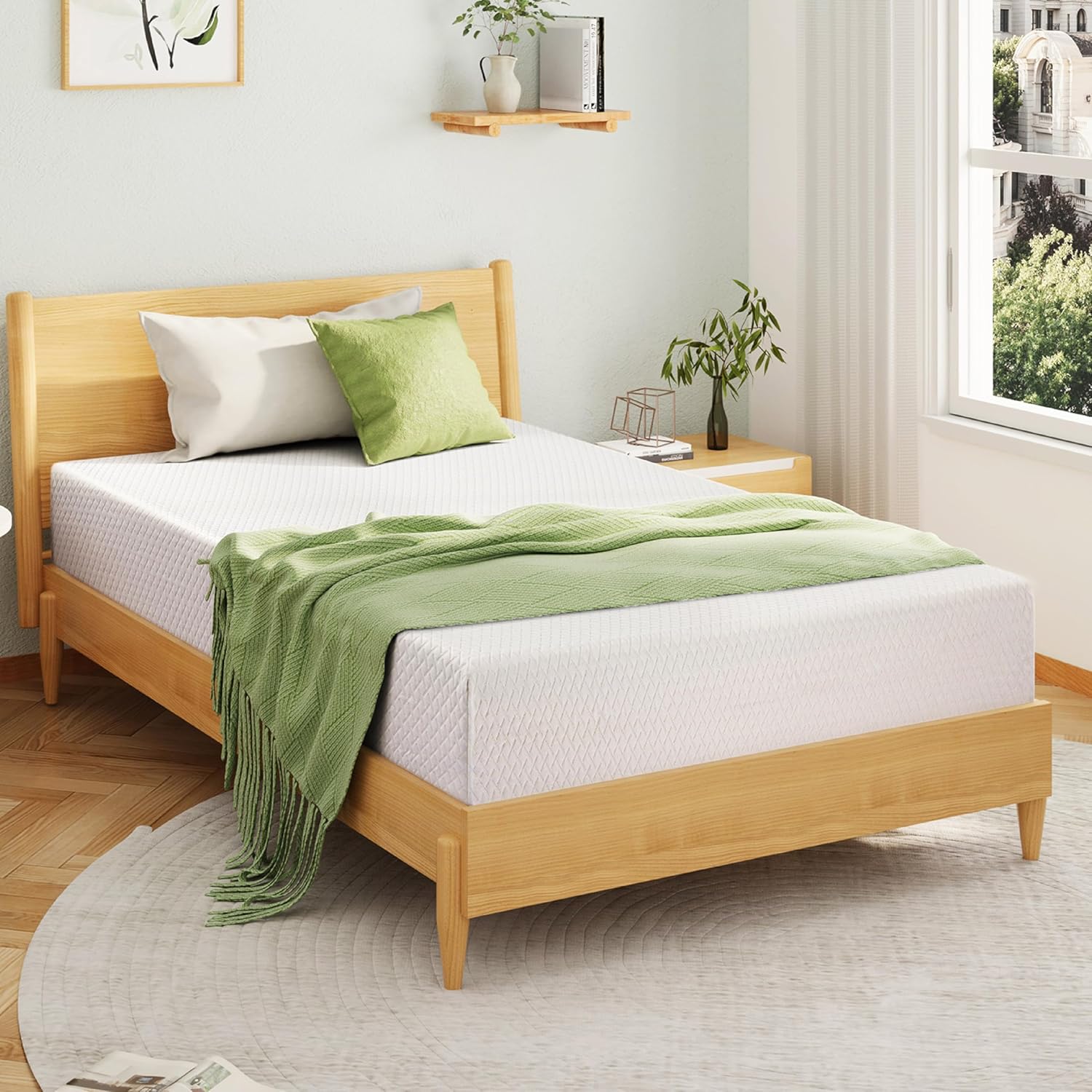

This EGOHOME kids memory foam mattress is a 6-inch pressure-relief bed designed with cooling green tea gel-infused memory foam to support comfortable sleep for children. It conforms to the body to reduce pressure points and promote better spinal alignment, while also helping regulate temperature for a cooler sleep surface. With CertiPUR-US certified foam, it emphasizes safer indoor air quality and reduced harmful chemicals compared to conventional foams, making it a more mindful option for families seeking a safer sleep environment within the eco-friendly mattress category.
Pros
- CertiPUR-US certified foam helps ensure lower emissions and safer indoor air quality
- Green tea gel infusion helps maintain freshness and reduces odor buildup
- Pressure-relieving memory foam supports growing bodies and spinal alignment
- Cooling design improves breathability and helps prevent overheating during sleep
Cons
- Not made from organic or natural materials like latex or cotton
- Memory foam construction is still synthetic despite safety certifications
- 6-inch thickness may feel limited for older kids or heavier sleepers
- Limited sustainability focus compared to fully eco-certified mattresses
Verdict
This mattress is a decent entry-level option within the eco-conscious category, mainly due to its CertiPUR-US certified foam and low-emission design. However, it is not a fully eco-friendly or organic mattress, as it still relies on synthetic memory foam. It fits best as a safer, budget-friendly kids’ mattress rather than a strong sustainable or green mattress choice.
Celestial Gel Memory Foam Mattress

This Celestial Sleep gel memory foam mattress is designed with cooling gel-infused memory foam that adapts to body contours to provide pressure relief and balanced support. It features a layered foam structure that includes a breathable cover and supportive base foam, aiming to improve sleep comfort and reduce heat buildup compared to traditional memory foam. With certifications like CertiPUR-US and Oeko-Tex, it emphasizes lower chemical emissions and safer indoor air quality, which aligns moderately well with eco-conscious mattress expectations, though it is still primarily a synthetic foam product rather than a fully natural or organic option.
Pros
- CertiPUR-US and Oeko-Tex certifications support safer chemical standards and lower emissions
- Gel-infused foam helps reduce heat retention compared to standard memory foam
- Multi-layer construction provides balanced pressure relief and body support
- Bed-in-a-box design makes setup simple and convenient
Cons
- Still made from synthetic memory foam rather than natural or organic materials
- Limited true sustainability or eco-friendly material sourcing
- Cooling effect may be temporary and not consistent for all sleepers
- May retain more heat than hybrid or latex-based eco mattresses
Verdict
This mattress is a decent mid-range option for comfort and safety certifications, but it is not truly eco-friendly in the strict sense. It works better as a budget-friendly, low-toxicity memory foam mattress rather than a strong sustainable or green sleep solution.
Neo Sleep Hybrid Queen Mattress

This Neo Sleep queen hybrid mattress combines cooling gel memory foam with pocket spring support to deliver balanced comfort and pressure relief. The foam layer adapts to the body to reduce pressure points, while the coil system improves airflow and helps maintain a cooler sleeping environment. It also includes CertiPUR-US certified foam and an OEKO-TEX certified cover, which support lower chemical emissions and a safer indoor sleep environment. From an eco-friendly perspective, it is not fully natural or organic, but it does offer a more responsible, low-toxicity construction compared to standard synthetic-only mattresses.
Pros
- Hybrid design with pocket coils improves airflow and reduces heat buildup
- CertiPUR-US certified foam supports safer, low-emission material standards
- Cooling gel memory foam helps regulate temperature and improve sleep comfort
- Good motion isolation from individually wrapped coils, suitable for couples
- Strong pressure relief for back, side, and stomach sleepers
Cons
- Still largely made from synthetic foam materials rather than natural or organic components
- Not a fully eco-certified or sustainably sourced mattress
- Cooling effect may vary depending on room temperature and body heat
- Hybrid construction can feel heavier and less “natural” than latex or organic beds
Verdict
This is a solid mid-range hybrid mattress that performs well in comfort, cooling, and support, with decent safety certifications. However, it should be seen as a low-toxicity synthetic option rather than a truly eco-friendly mattress. It’s a good choice for value and sleep performance, but not for strict sustainability-focused buyers.
Enchantia Palm Firm Coir Mattress

This Enchantia palm firm coir mattress is built with natural coconut coir fiber designed to provide a very firm and supportive sleep surface. The coir filling promotes strong spinal alignment by evenly distributing body weight and reducing sinkage, making it suitable for people who prefer hard orthopedic-style support. As a plant-fiber-based mattress, it is more naturally sourced compared to synthetic foam options, which gives it a stronger eco-friendly positioning. However, it is still typically combined with synthetic or blended materials for structure and comfort, so it sits in the mid-range of eco-conscious mattresses rather than being fully organic or latex-based.
Pros
- Natural coconut coir filling provides firmer, more eco-aligned construction than synthetic foam
- Excellent spinal support due to high firmness and minimal sinkage
- Good airflow through coir structure helps reduce heat buildup
- Durable plant-fiber core resists sagging over time
Cons
- Very firm feel may be uncomfortable for side sleepers or those preferring soft beds
- Limited cushioning compared to memory foam or latex hybrid mattresses
- Not fully organic or chemical-free in most versions
- Can feel rigid or less adaptive to body curves
Verdict
This mattress is one of the more naturally aligned options in the coir category and fits better into the eco-friendly theme than standard memory foam. However, its extreme firmness and limited cushioning make it suitable mainly for users who specifically want orthopedic-level support rather than general comfort. It is a moderately eco-friendly choice, but not a premium organic mattress.
Amazon Basics Plush Memory Foam Mattress

This Amazon Basics plush memory foam mattress features a multi-layer foam construction designed to provide soft cushioning and pressure relief by contouring to the body’s shape. It includes a breathable design with internal airflow channels that help reduce heat buildup during sleep, along with a supportive base foam layer for stability and durability. The foam is CertiPUR-US certified, meaning it meets certain safety standards for low emissions and chemical content. While it offers a more comfortable and lower-toxicity alternative compared to basic foam mattresses, it is still fully synthetic and not made from natural or organic materials, so its eco-friendly value is limited to safety certifications rather than sustainable sourcing.
Pros
- CertiPUR-US certified foam supports safer indoor air quality and lower chemical emissions
- Multi-layer design provides balanced softness and pressure relief
- Breathable structure helps improve airflow and reduce heat retention
- Good value option for a budget-friendly memory foam mattress
Cons
- Fully synthetic construction with no natural or organic materials
- Limited true sustainability or eco-friendly sourcing
- May trap heat compared to hybrid or latex-based mattresses
- Plush feel may lack firmness support for heavier sleepers
Verdict
This mattress is a budget-friendly comfort-focused option with safety certifications, but it is not a true eco-friendly mattress. It works better as an affordable synthetic memory foam bed rather than a sustainable or natural sleep solution.
How Eco-Friendly Mattresses Work & Who Needs Them
Eco-friendly mattresses are designed to combine sleep comfort with more responsible material choices. Instead of relying heavily on conventional petroleum-based foams and harsh chemical treatments, they often use natural fibers, plant-based foams, or certified low-emission materials. Their structure is built to support the body while also improving breathability and reducing exposure to unnecessary chemicals during sleep. Depending on the type, they may use latex, coir, organic cotton, or certified memory foam alternatives.
These mattresses work by layering supportive and comfort materials in a way that balances pressure relief, airflow, and durability. The goal is to create a healthier sleep environment while still maintaining comfort and spinal alignment.
- People with sensitivities to strong chemical odors or synthetic materials
- Sleepers looking for more breathable and temperature-balanced beds
- Eco-conscious buyers seeking more sustainable sleep products
- Families wanting safer sleeping environments for children
Overall, they are ideal for anyone who wants a healthier sleep setup without completely sacrificing comfort or support.
What to Look for When Buying an Eco-Friendly Mattress
When choosing an eco-friendly mattress, it is important to go beyond marketing claims and carefully evaluate the materials, certifications, and construction quality. The best eco-friendly mattress options usually combine natural or low-impact materials with reliable comfort and long-term durability. One of the most important factors is the material composition. Look for mattresses made with organic latex, natural coir fiber, wool, or plant-based foams. These materials tend to have a lower environmental impact compared to standard petroleum-based memory foam.
Certifications also play a major role in identifying truly safer and more responsible products. Certifications such as GOTS (Global Organic Textile Standard), GOLS (Global Organic Latex Standard), OEKO-TEX, and CertiPUR-US help ensure that the mattress meets certain safety and emission standards. However, certifications alone are not enough—you should also consider how the mattress is built for comfort and support.
Key Features to Look For
- Natural or organic materials such as latex, cotton, wool, or coconut coir
- Certifications like GOTS, GOLS, OEKO-TEX, or CertiPUR-US for safety assurance
- Good airflow design to prevent overheating during sleep
- Durable construction that resists sagging over time
Things to Avoid or Be Careful About
- Greenwashing claims without clear certification or material transparency
- Overuse of synthetic foams with only minor “eco” additives
- Low-quality natural materials that degrade quickly
- Mattresses that lack proper support layers despite eco-friendly labeling
A truly good eco-friendly mattress should balance sustainability, comfort, and long-term performance rather than focusing on just one aspect.
Common Pros and Cons of Eco-Friendly Mattresses
Eco-friendly mattresses offer several advantages, especially for people who care about health, sustainability, and indoor air quality. One of the biggest benefits is the reduced exposure to harsh chemicals often found in traditional mattresses. Many eco-friendly options are made with natural or certified low-emission materials, which can help improve indoor air quality and create a cleaner sleep environment. They also tend to be more breathable, which helps regulate temperature and reduce overheating during the night.
Another advantage is durability. High-quality natural materials such as latex or coir can last longer than standard foam in many cases. Additionally, eco-friendly mattresses often provide more balanced support, which can improve spinal alignment and overall sleep posture. However, these benefits come with some trade-offs.
Advantages
- Lower chemical exposure and improved indoor air quality
- Better breathability and temperature regulation in many models
- Use of renewable or natural materials in higher-quality designs
- Good long-term durability in premium eco-friendly builds
Disadvantages
- Higher price compared to standard synthetic mattresses
- Not all “eco-friendly” claims are fully authentic or certified
- Some natural materials can feel too firm or too soft for certain sleepers
- Limited availability of consistent quality across brands
Overall, while eco-friendly mattresses offer meaningful benefits, they also require careful selection to avoid low-quality or misleading products. The balance between sustainability, comfort, and price can vary significantly depending on the brand and materials used.
Is an Eco-Friendly Mattress Worth It?
An eco-friendly mattress can absolutely be worth it, but it depends on your priorities. If your main goal is better sleep comfort at the lowest possible price, then a standard foam or hybrid mattress may be sufficient. However, if you are focused on healthier indoor air quality, reduced chemical exposure, and more sustainable living choices, then investing in an eco-friendly mattress can be a meaningful upgrade.
These mattresses are especially valuable for people who spend long hours in bed, have sensitivities to synthetic materials, or want a more natural sleep environment for their families. While they may cost more upfront, many eco-friendly mattresses are designed to last longer and provide more stable comfort over time, which can balance out the investment.
Ultimately, the value comes down to what matters most to you. If sustainability, health-conscious materials, and long-term durability are priorities, then an eco-friendly mattress is a worthwhile choice. If those factors are less important, a traditional mattress may still meet your needs at a lower cost.