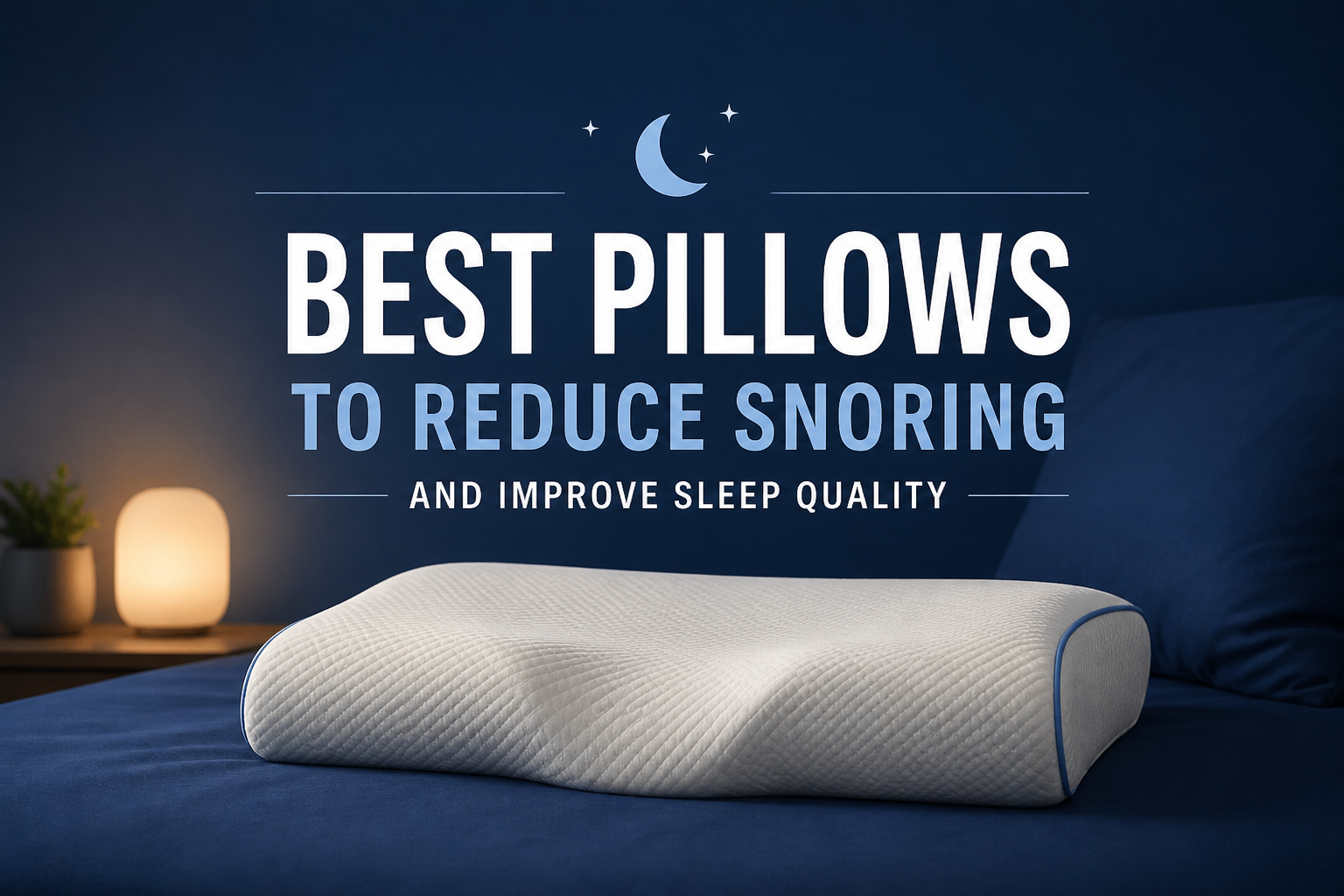
Best pillows to reduce snoring and improve sleep quality
If snoring is disrupting your sleep—or your partner’s—you’re not alone. Specialized sleep pillows designed to support proper head and neck alignment can make a noticeable difference. By encouraging better breathing posture and reducing airway obstruction, these pillows help create quieter, more restful nights. The result? You wake up feeling more refreshed, energized, and ready to take on the day without the grogginess that comes from broken sleep.
To help you find the right option, we’ve done the heavy lifting for you. After carefully researching the market, comparing popular models, analyzing real user feedback, and evaluating ratings and purchase trends, we’ve narrowed down the top recommendations. Our goal is simple: save you time and guide you toward a smarter, more confident buying decision.
How We Selected These Products
We used an advanced AI-driven analysis system to thoroughly examine thousands of customer reviews and expert opinions across trusted sources. This allowed us to identify consistent patterns in comfort, durability, support, and real-world effectiveness. By combining this deep data analysis with hands-on evaluation criteria, we’ve ensured that every product featured meets high standards of quality and performance—so you can shop with confidence and clarity.
Overviews
Pyramid Anti-Snoring Pillow
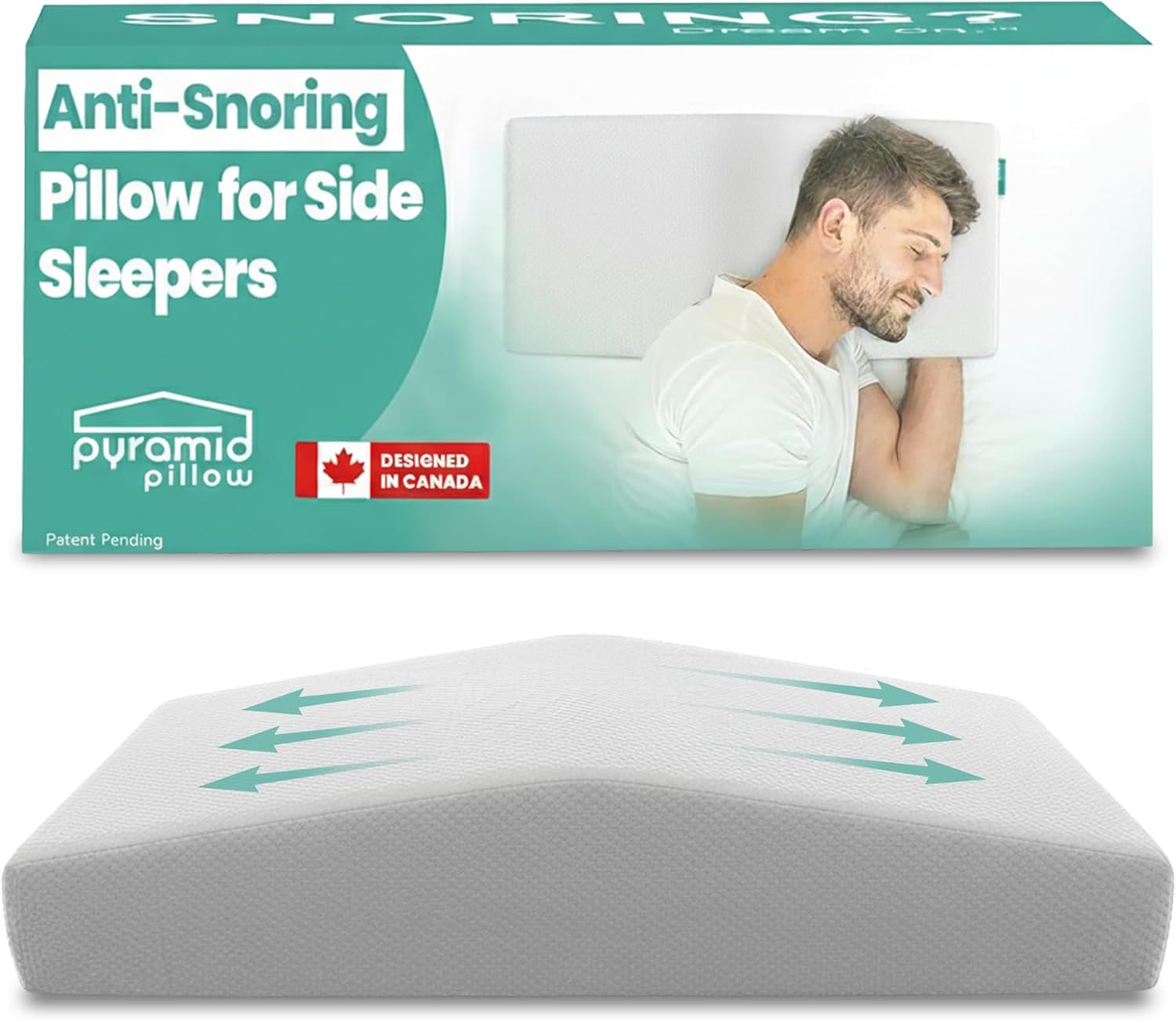

This pillow is specifically designed to help reduce snoring by improving sleep posture and keeping the airway open. It features a unique pyramid shape with a gentle incline that encourages side sleeping and prevents the tongue from falling back into the throat—one of the common causes of snoring. The memory foam core provides stable support for the head and neck, which may help maintain proper alignment and reduce breathing obstruction during sleep. It is most suitable for side sleepers, while its effectiveness may vary depending on individual sleep habits.
Pros
- Ergonomic inclined design helps keep airways open by promoting better head and neck positioning during sleep.
- Encourages side sleeping, which is widely known to reduce snoring compared to back sleeping.
- Memory foam construction offers consistent support and maintains shape throughout the night.
- Unique pyramid structure helps limit rolling onto the back, a common snoring trigger.
- Removable and washable cover makes it easy to maintain hygiene and long-term usability.
Cons
- Primarily designed for side sleepers, making it less suitable for back or stomach sleepers.
- Adjustment period may be required due to the unconventional shape and incline.
- Effectiveness depends on the cause of snoring and may not help with more severe conditions.
- Fixed shape does not allow customization of height or firmness preferences.
Verdict
This is a strong and highly relevant option for reducing snoring, especially for side sleepers dealing with posture-related airway blockage. While it may not work for everyone, its targeted design and supportive structure make it a solid recommendation within this category.
DiffPacky Cooling Wedge Pillow
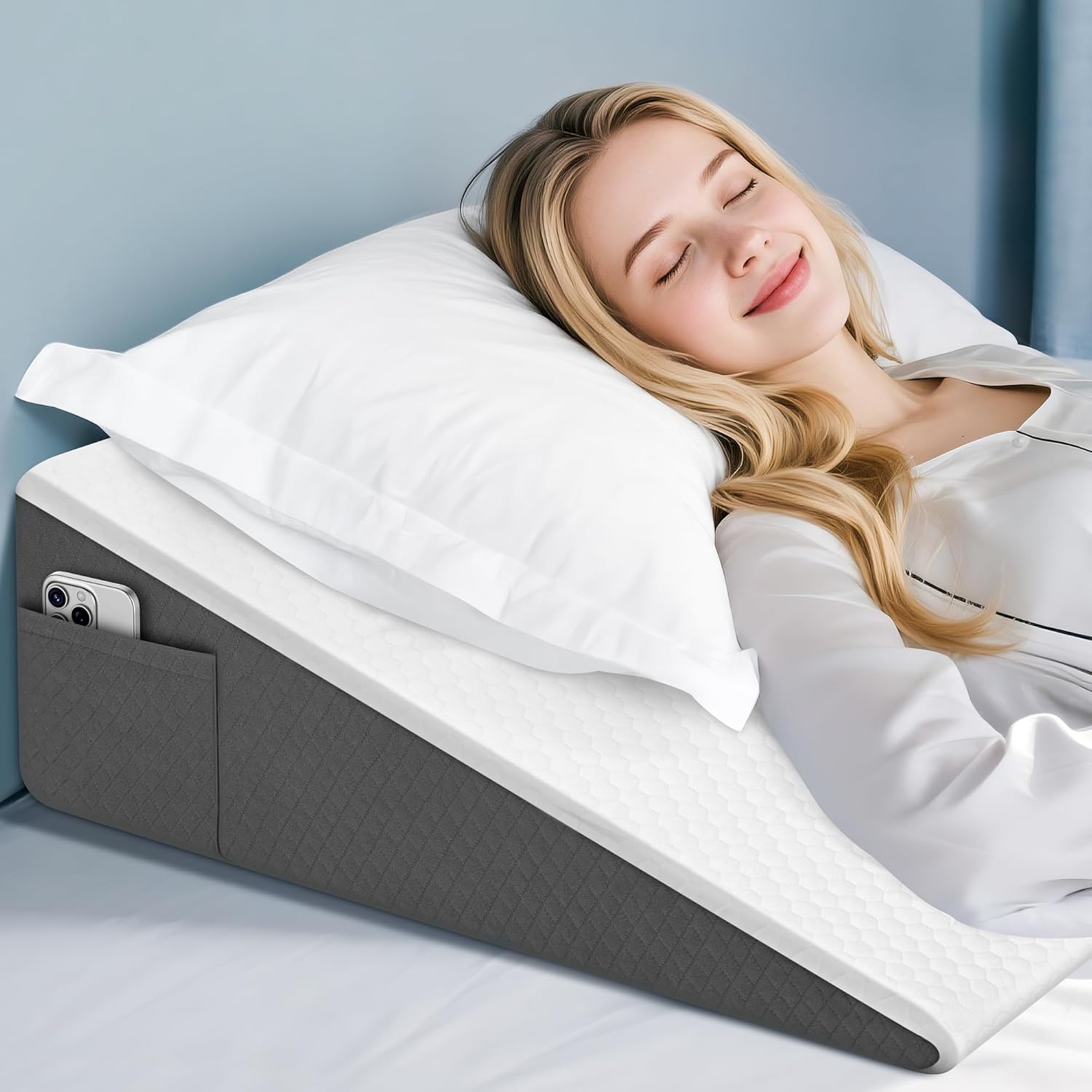
This wedge pillow is designed to elevate the upper body, helping promote better breathing and reduce snoring caused by airway obstruction. Its ergonomic incline supports the head, neck, and spine alignment, which can improve airflow during sleep. The combination of high-density foam and memory foam adapts to body contours while maintaining stability. While not specifically marketed only for snoring, its elevated design makes it a suitable option for those looking to minimize snoring related to poor sleep posture.
Pros
- Inclined wedge design helps keep airways open, which may reduce snoring linked to sleeping position.
- Dual-layer foam construction provides both firm support and contouring comfort for head and neck alignment.
- Breathable cooling cover helps regulate temperature and prevent overheating during sleep.
- Versatile use allows elevation of head, back, or legs for improved comfort and posture.
- Removable and washable cover enhances hygiene and long-term usability.
Cons
- Not specifically designed for snoring, so results may vary depending on the cause.
- Larger wedge shape may feel bulky or take time to adjust to for some users.
- Primarily suited for back sleepers, less effective for those who prefer other sleeping positions.
- Fixed incline does not allow easy customization of height or angle.
Verdict
This is a solid and relevant option for reducing snoring caused by poor sleeping posture, especially for back sleepers. While it is not a specialized anti-snoring design, its elevation and support make it a strong alternative choice in this category.
TANYOO Adjustable Wedge Pillow

This wedge pillow is designed to elevate the upper body to improve breathing and reduce snoring caused by airway obstruction. It features a dual-layer construction with a supportive foam base and a softer shredded memory foam top for added comfort. The adjustable design allows users to modify the height and positioning, helping maintain better head and neck alignment during sleep. By promoting an inclined sleeping position, it can assist in keeping airways more open, although its effectiveness may vary depending on individual snoring causes.
Pros
- Adjustable height design allows users to customize elevation for better airway positioning and comfort.
- Dual-layer foam combines support and softness, helping maintain proper head and neck alignment.
- Inclined structure promotes improved breathing, which may reduce snoring linked to back sleeping.
- Removable topper adds versatility and can be used separately for additional support.
- Breathable and washable cover enhances comfort and long-term hygiene.
Cons
- Not specifically designed only for snoring, so results may vary depending on the root cause.
- Wedge shape may feel bulky or uncomfortable for some users, especially side sleepers.
- Requires an adjustment period to get used to elevated sleeping position.
- May need an additional pillow for optimal neck alignment and comfort.
Verdict
This is a strong and relevant option for reducing snoring caused by poor sleep posture, especially for back sleepers. Its adjustable design adds flexibility, making it a solid recommendation, though not a specialized anti-snoring solution.
DRAVEL Smart Anti-Snore Pillow

This smart pillow is designed to actively reduce snoring using built-in sensors and automated adjustments. It detects snoring sounds and sleeping position, then inflates internal air chambers to gently reposition the head and improve airflow. The memory foam structure provides support while the smart system works in the background to maintain an open airway. It also connects to an app for sleep tracking and personalized adjustments, making it a more advanced solution compared to traditional anti-snoring pillows.
Pros
- Smart snoring detection automatically responds in real time, helping reduce snoring without waking the user.
- Airbag adjustment system gently repositions the head to keep airways open and improve breathing.
- Sleep tracking and app integration provide insights into snoring patterns and sleep quality.
- Memory foam construction supports proper neck alignment while maintaining comfort.
- Customizable settings allow users to adjust sensitivity and intensity based on personal needs.
Cons
- Requires power or charging, making it less convenient than traditional pillows.
- More complex setup due to app connection and smart features.
- May produce slight noise during adjustments, which could disturb light sleepers.
- Higher price point compared to standard or wedge-style pillows.
Verdict
This is a highly relevant and advanced anti-snoring solution, offering active intervention rather than passive support. It’s a strong recommendation for users who want a tech-driven approach, though it may be excessive for those seeking a simple or budget-friendly option.
Nitetronic Z1 Smart Snore Pillow

This smart pillow uses built-in sensors to detect snoring and automatically adjust head position through internal air chambers. By gently shifting the head, it helps open the airway and reduce snoring caused by poor sleep posture. The memory foam base provides consistent support, while app connectivity tracks sleep quality and snoring patterns. It is designed as a non-invasive solution, making it suitable for users looking for an automated approach to improving breathing during sleep, though effectiveness may vary depending on the severity of snoring.
Pros
- Smart sensors detect snoring and trigger automatic adjustments to improve airflow during sleep.
- Air chamber system gently repositions the head to help keep airways open without waking the user.
- App integration tracks sleep data, including snoring intensity and duration for better insights.
- Memory foam construction supports proper neck alignment while maintaining comfort.
- Clinically tested design shows effectiveness for mild to moderate snoring cases.
Cons
- High-tech features require charging and setup, making it less convenient than standard pillows.
- Higher cost compared to traditional or wedge-style alternatives.
- May be less effective for severe snoring or underlying medical conditions.
- Some users may find automatic adjustments unfamiliar or slightly disruptive at first.
Verdict
This is a strong, highly relevant anti-snoring option with advanced smart features that actively address snoring rather than relying on passive support. It’s a great choice for tech-focused users, though the price and complexity may not suit everyone.
How It Works & Who Needs It
Sleep-focused pillows designed to reduce snoring work by improving the alignment of your head, neck, and spine. When your airway becomes partially blocked—often due to poor sleeping posture—it can cause vibrations that lead to snoring. These pillows aim to correct that by either elevating your upper body, encouraging side sleeping, or gently repositioning your head throughout the night. Some advanced models even detect snoring and adjust automatically to restore proper airflow without waking you.
This type of solution is especially helpful for people who experience mild to moderate snoring due to posture rather than medical conditions. It can also benefit partners who are affected by disrupted sleep.
- People who snore when sleeping on their back
- Light to moderate snorers seeking a non-invasive solution
- Couples dealing with sleep interruptions caused by snoring
- Individuals looking to improve sleep quality without devices like CPAP
What to Look for When Buying
Choosing the right pillow to help reduce snoring requires more than just picking the most popular option. You need to consider how the design supports your sleeping position, how well it maintains airway alignment, and whether it fits your comfort preferences. A well-designed option can significantly improve airflow, while the wrong one may offer little to no benefit.
One of the most important factors is the shape and structure. Contoured or wedge designs are specifically created to elevate or position the head properly, helping keep airways open. Material is another key aspect—memory foam is often preferred because it adapts to your shape while maintaining support. Adjustable options can also be useful, allowing you to customize height or firmness based on your needs.
- Ergonomic design that supports proper head and neck alignment
- Material quality, such as memory foam for consistent support
- Adjustability to suit different sleep positions and preferences
- Breathability to prevent overheating during the night
- Ease of maintenance, including removable and washable covers
In addition to features, it’s important to consider your specific snoring cause. If your snoring is posture-related, a supportive or elevated pillow can help. However, if it’s linked to medical conditions, results may be limited. Always check user reviews and ratings to understand real-world performance and ensure you’re making an informed choice.
- Match the pillow type to your sleeping position (side, back, or combination)
- Look for verified customer feedback about snoring reduction
- Consider size and shape compatibility with your bed setup
- Evaluate durability and long-term comfort
- Balance price with features to get the best value
Common Pros and Cons
Pros
- Non-invasive solution that does not require masks, machines, or medical devices.
- Improves sleep posture, which can lead to better breathing and reduced snoring.
- Enhances overall sleep quality for both the user and their partner.
- Available in a wide range of designs, from simple foam pillows to smart, adjustable models.
- Often provides additional benefits such as neck support and pressure relief.
Cons
- Effectiveness varies depending on the underlying cause of snoring.
- Some designs, especially wedge or contoured shapes, may feel uncomfortable initially.
- Higher-end models with smart features can be expensive.
- May not fully resolve severe snoring or sleep apnea conditions.
- Requires an adjustment period before noticeable results are experienced.
While these pillows can be highly effective for posture-related snoring, they are not a universal solution. Their success largely depends on consistency and choosing the right type for your needs. For many users, they provide a simple and comfortable way to improve sleep without relying on more complex interventions.
Is It Worth It?
For many people, investing in a pillow designed to reduce snoring can be a practical and worthwhile decision. If your snoring is primarily caused by poor sleeping posture or airway obstruction due to head positioning, this type of product can offer noticeable improvements. It’s a simple upgrade that doesn’t involve complicated setups or medical equipment, making it an appealing first step.
However, expectations should remain realistic. These pillows are most effective for mild to moderate cases and may not fully address more serious conditions. Still, considering the potential benefits—better sleep quality, reduced disturbances, and improved comfort—they often deliver good value for the price. For those seeking a non-invasive and easy-to-use solution, it’s definitely worth trying.