Best down alternative comforters for allergy-free cozy sleep
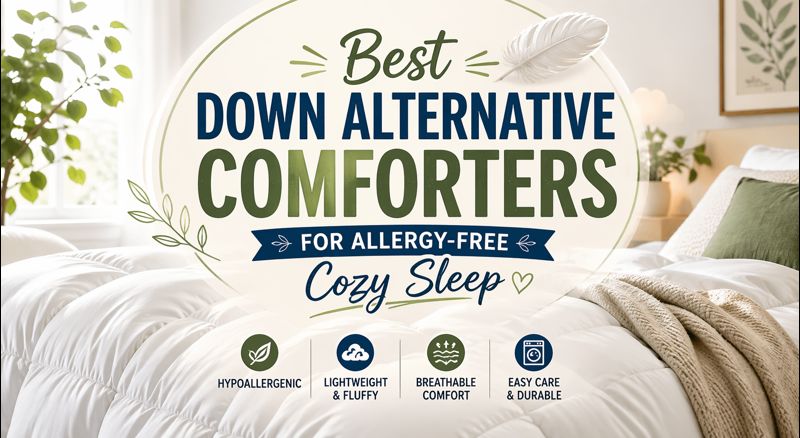
If you love the cozy feel of down but wake up sneezing, there’s a better way to sleep. Down-alternative comforters are designed to mimic that fluffy, cloud-like warmth—without triggering allergies or requiring high-maintenance care. Made with synthetic or plant-based fills, they offer breathable comfort, easy cleaning, and year-round versatility, making them a smart upgrade for sensitive sleepers who don’t want to sacrifice softness.
To help you find the right fit, w e dug deep—comparing popular brands, analyzing real customer feedback, checking ratings, and factoring in overall demand. The result? A carefully curated list of standout options that balance comfort, quality, and value, so you can skip the guesswork and rest easy.
How We Selected These Products
We used an advanced AI-driven research process to analyze thousands of user and expert reviews across multiple platforms. This allowed us to identify consistent patterns in performance, durability, and comfort. By combining data insights with real-world feedback, we’ve created a transparent and trustworthy guide you can rely on.
Overviews
Serta Down Illusion Comforter


This comforter is designed to replicate the soft, fluffy feel of natural down while using synthetic fill that is suitable for allergy-sensitive sleepers. The hypoallergenic construction helps reduce common irritants, making it a practical option for those who want warmth and comfort without triggering allergies. Its lightweight design also supports year-round use while remaining easy to care for.
Pros
- Hypoallergenic fill helps minimize allergy triggers, making it suitable for sensitive sleepers
- Designed to mimic the softness and loft of real down without using animal-based materials
- Lightweight construction makes it comfortable for use across different seasons
- Machine-washable design allows for easier maintenance compared to traditional down comforters
Cons
- May not provide the same level of insulation as high-end natural down options in colder conditions
- Synthetic fill may lose fluffiness over time with repeated washing
- Breathability may vary depending on room temperature and personal comfort preferences
Verdict
A strong choice for those seeking an allergy-friendly alternative to down, offering a good balance of comfort, practicality, and ease of care.
Cozynight Down Alternative Comforter
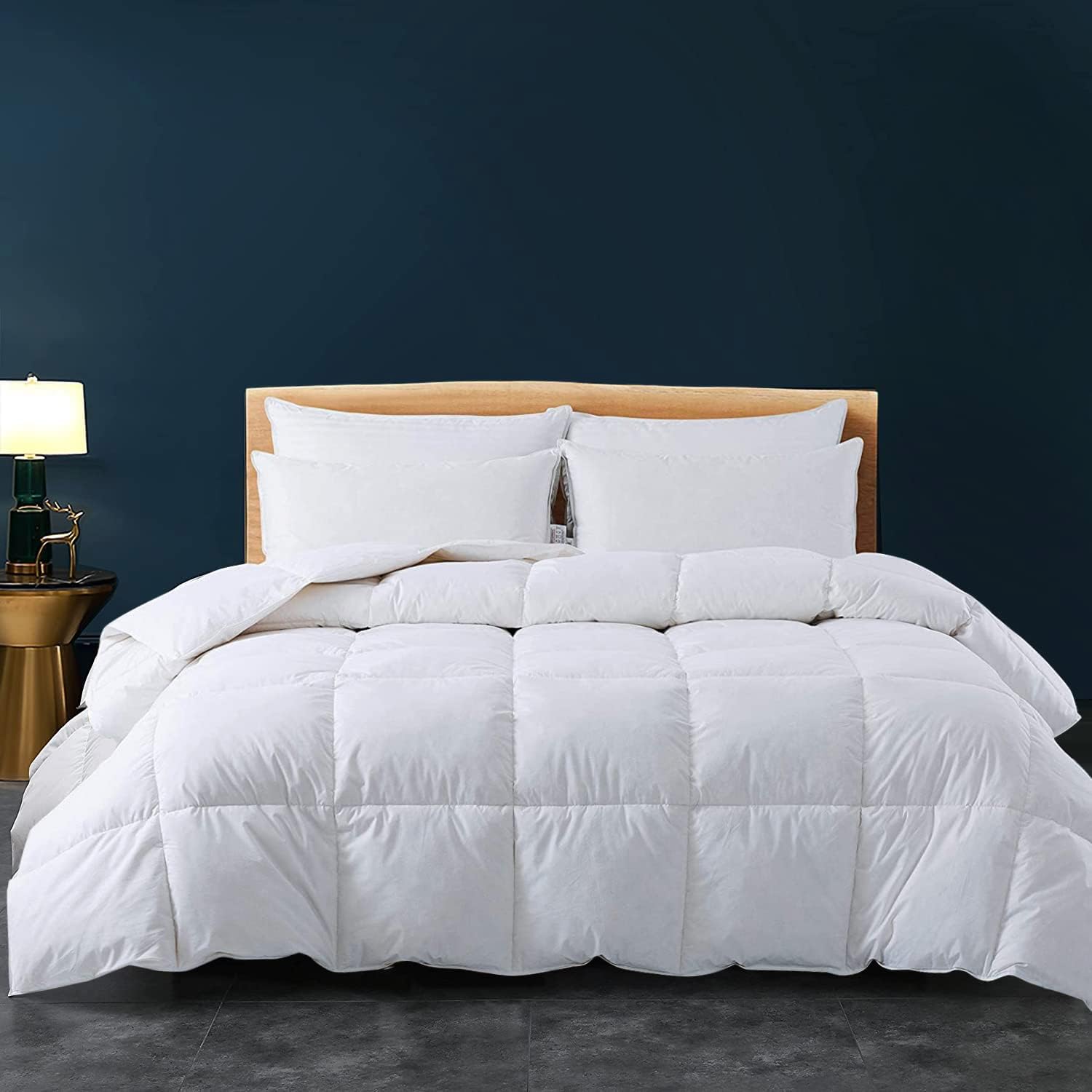
This comforter features a synthetic down alternative fill designed to provide softness and warmth without triggering common allergies associated with natural down. Its hypoallergenic materials make it suitable for sensitive sleepers, while the breathable construction helps maintain a comfortable sleeping environment. It is also designed for easy care, making it a convenient option for everyday use.
Pros
- Hypoallergenic fill reduces the risk of dust and allergen buildup, making it suitable for allergy-prone users
- Soft and plush texture mimics the feel of traditional down comforters
- Breathable construction helps regulate temperature for more comfortable sleep
- Machine-washable design simplifies cleaning and maintenance
Cons
- May not offer the same premium loft or durability as higher-end alternatives
- Can feel slightly less breathable in warmer environments for some users
- Fill distribution may shift over time without proper care
Verdict
A solid mid-range option that fits well within the allergy-friendly comforter category, offering dependable comfort and practicality for everyday use.
Utopia Bedding Comforter Duvet Insert

This comforter uses a synthetic fill designed to imitate the softness of traditional down while remaining suitable for allergy-sensitive users. Its hypoallergenic construction helps limit common irritants like dust and dander, making it a practical choice for everyday use. The design focuses on balanced warmth and comfort, along with easy maintenance for regular washing.
Pros
- Hypoallergenic materials help reduce exposure to common allergens, supporting a cleaner sleep environment
- Soft microfiber fill provides a comfortable, down-like feel without using natural feathers
- Box-style stitching helps keep the fill evenly distributed and prevents clumping over time
- Easy-care design allows for convenient machine washing and maintenance
Cons
- May feel less breathable in warmer climates or for hot sleepers
- Loft and fluffiness may not match higher-end or premium comforters
- Durability can vary with frequent washing and long-term use
Verdict
A reliable budget-friendly option that fits well within the allergy-friendly comforter category, offering good everyday comfort with practical features.
Amazon Basics Down Alternative Comforter

This comforter is made with a synthetic fill designed to provide a soft, down-like feel while remaining suitable for those with allergies. Its hypoallergenic materials help reduce exposure to dust and other common irritants, making it a practical everyday bedding option. The lightweight construction and simple design focus on comfort, ease of use, and low-maintenance care.
Pros
- Hypoallergenic fill helps limit allergens, making it suitable for sensitive sleepers
- Lightweight design works well for year-round comfort in moderate climates
- Simple construction makes it easy to use as a standalone comforter or duvet insert
- Machine-washable for convenient and low-effort maintenance
Cons
- May lack the plush, high-loft feel found in more premium comforters
- Warmth level may not be sufficient for colder environments
- Basic design offers fewer advanced features compared to higher-end options
Verdict
A practical entry-level option that fits the allergy-friendly comforter category, best suited for those seeking simplicity and affordability over premium comfort.
Comfort Spaces Cotton Comforter

This comforter features a cotton fabric exterior paired with a lightweight fill, offering a breathable and comfortable sleep experience. While cotton is generally gentle on the skin, the product is not specifically designed as a down alternative or fully hypoallergenic solution. It may still suit users looking for a softer, more natural-feeling comforter, but its effectiveness for allergy prevention depends on individual sensitivity.
Pros
- Cotton fabric provides a soft and breathable surface for comfortable sleep
- Lightweight design helps prevent overheating, especially in warmer climates
- Simple construction makes it easy to use and maintain
- Suitable for users who prefer natural-feel materials over synthetic textures
Cons
- Not specifically designed as a hypoallergenic down alternative comforter
- May not effectively reduce allergens for sensitive sleepers
- Less plush compared to comforters designed to mimic down softness
- Warmth and insulation may be limited in colder conditions
Verdict
An average option that offers breathable comfort but does not strongly align with the needs of those specifically seeking a hypoallergenic down alternative comforter.
How It Works and Who Needs It
Down alternative comforters are designed to replicate the plush, airy feel of traditional down using synthetic or plant-based fibers. Instead of feathers, these comforters use materials that resist common allergens like dust mites and dander. The result is a soft, insulating layer that provides warmth without triggering sensitivities. Many are also constructed to promote airflow, helping regulate temperature for a more comfortable sleep experience.
This type of comforter is especially useful for people who want the cozy feel of down without the drawbacks. It combines comfort, convenience, and allergy-conscious design into one practical bedding solution.
- Allergy sufferers who react to natural down or dust buildup
- Hot sleepers who need breathable, temperature-regulating bedding
- Anyone looking for an easy-care, machine-washable comforter
- Budget-conscious buyers seeking a down-like feel without premium pricing
What to Look for When Buying
Choosing the best down alternative comforter involves more than just picking the softest option. To find a product that truly meets your needs, it’s important to evaluate materials, construction, and overall performance. A high-quality comforter should balance comfort, durability, and allergy-friendly features while fitting your sleep preferences and climate.
First, consider the fill material. Look for hypoallergenic fibers that are specifically designed to resist allergens and maintain their shape over time. The outer fabric also plays a key role—breathable covers like microfiber or cotton can improve airflow and enhance comfort. Stitching style is another important factor; box stitching or baffle box designs help keep the fill evenly distributed, preventing clumping and cold spots.
- Fill material that is labeled hypoallergenic and designed for durability
- Breathable outer fabric to support airflow and temperature regulation
- Construction style that prevents shifting and maintains even coverage
- Ease of maintenance, including machine-washable design
In addition, think about your personal comfort needs. Some comforters are lightweight for year-round use, while others provide extra warmth for colder seasons. If you tend to overheat, prioritize options with better breathability. If you live in a colder environment, consider thicker designs that offer more insulation. Checking real user feedback can also reveal how well a product performs over time.
- Choose lightweight options for warmer climates or hot sleepers
- Opt for thicker, more insulated designs for colder conditions
- Look for consistent positive reviews regarding durability and comfort
- Balance price with features to ensure long-term value
Common Pros and Cons
Pros
- Hypoallergenic materials make these comforters suitable for people with allergies or sensitivities
- Soft, fluffy texture closely mimics the feel of real down without using animal products
- Easy maintenance, as most options are machine-washable and quick to dry
- More affordable compared to high-end natural down comforters
- Versatile designs available for different seasons and sleep preferences
Cons
- May not provide the same level of insulation as premium natural down in very cold conditions
- Synthetic fill can lose loft or flatten over time with frequent use and washing
- Breathability can vary, with some options feeling warm for hot sleepers
- Lower-end models may have issues with fill shifting or uneven distribution
- Lacks the long-term durability of higher-quality down alternatives or natural materials
Is It Worth It?
For many people, a down alternative comforter is a practical and worthwhile investment. It offers a balance of comfort, affordability, and convenience that fits well into everyday life. If you struggle with allergies or simply want a low-maintenance bedding option, this type of comforter can make a noticeable difference in sleep quality.
While it may not fully replicate the luxury feel or longevity of premium down, it delivers reliable performance for most users. The key is choosing a well-made option that aligns with your specific needs, such as breathability or warmth. Overall, it’s a smart choice for those seeking comfort without the drawbacks of traditional down.